Autologous hematopoietic stem cell transplantation (aHSCT) represents a significant frontier in the treatment of Multiple Sclerosis. Unlike traditional maintenance therapies, aHSCT aims to "reset" the immune system rather than simply suppressing it. In MS, the immune system mistakenly crosses the blood-brain barrier to attack the central nervous system—the brain, spinal cord, and optic nerves. This persistent aggression leads to the formation of lesions or plaques, which disrupt the flow of information within the body.
By using "autologous" stem cells—meaning they are harvested from the patient’s own body—this procedure avoids the risks of rejection associated with outside donors. The ultimate goal is to halt the "auto-toxic" behavior of the immune cells entirely, offering a fresh start for patients who have not found success with standard disease-modifying therapies
A Personal Blueprint for Healing
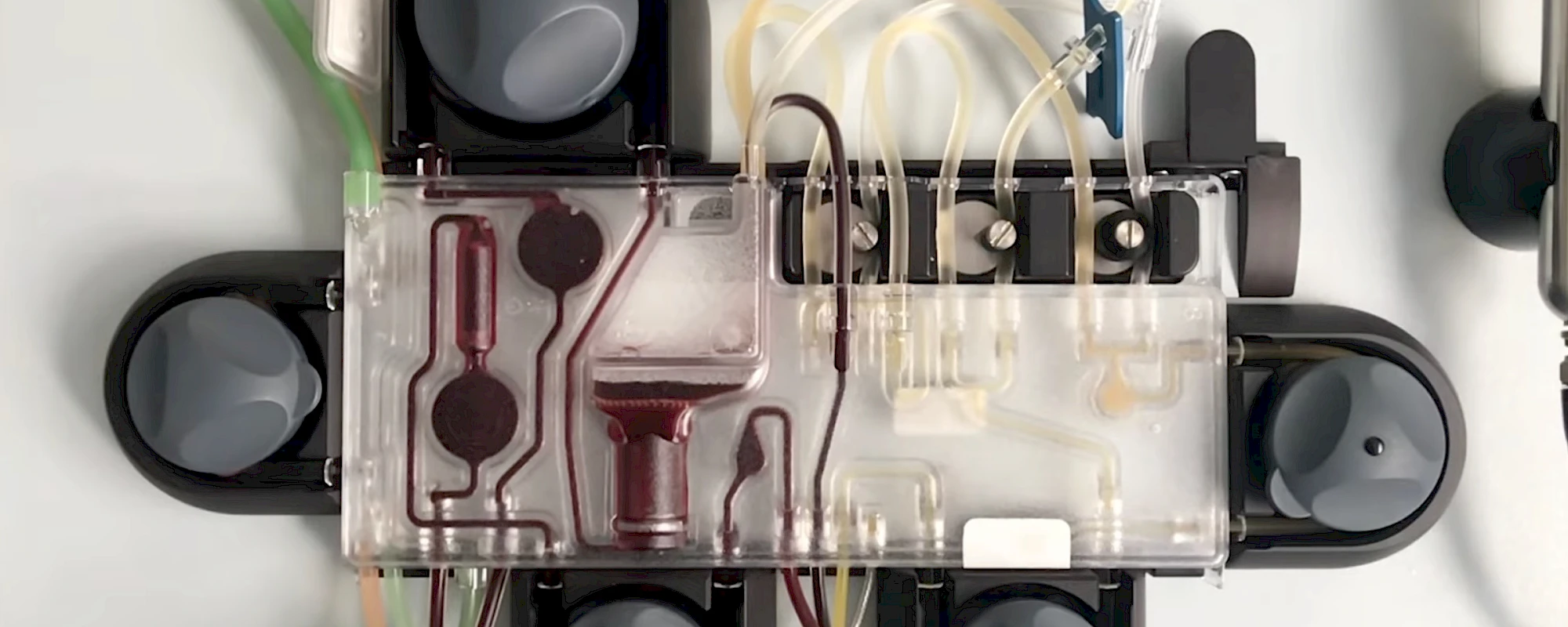
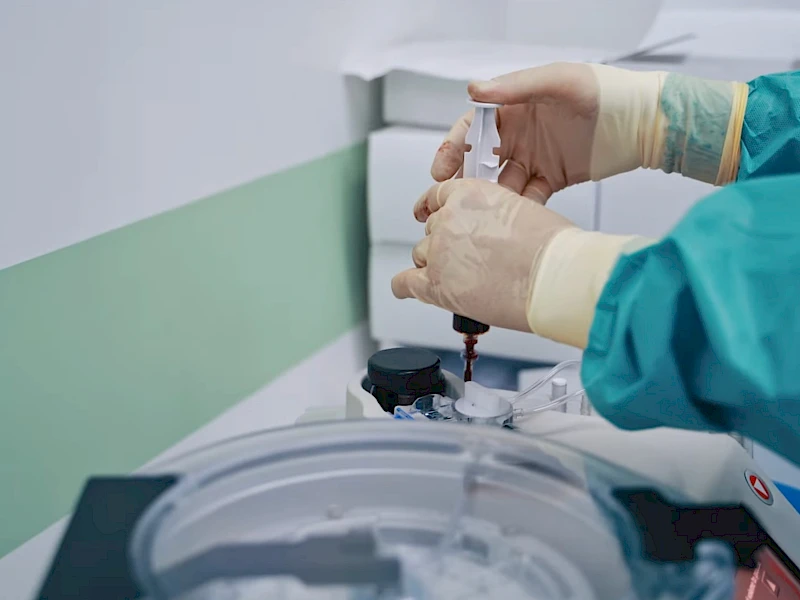
The journey begins with mobilization, where specific medications encourage stem cells to move from the bone marrow into the bloodstream. These cells are then carefully harvested through apheresis—a process similar to dialysis—and stored safely. These stored cells act as a biological "backup," ready to be reintroduced once the body is prepared to rebuild.
The Immune System Reset
The core of the treatment involves high-dose chemotherapy designed to eliminate the malfunctioning immune cells responsible for MS. Because chemotherapy cannot distinguish between "good" and "bad" dividing cells, it temporarily leaves the patient in an immunodeficient state. This "blank slate" is essential; it clears the way for the harvested stem cells to be infused back into the body, where they begin the vital work of growing a brand-new, healthy immune system.
The Path to Recovery and Beyond
Following the transplant, there is a critical period of isolation while the body slowly restores its baseline immunity. Recovery is a long-term commitment, often lasting anywhere from six months to two years. During this time, many patients engage in extensive rehabilitation to regain strength and function that may have been lost during the height of their MS progression.
While the process is intensive, the results are groundbreaking. Recent research indicates that for many individuals with relapsing-remitting MS—especially those who have exhausted other medical options—aHSCT can successfully stop relapses and prevent further self-inflicted damage. It offers more than just symptom management; it offers the possibility of long-term stabilization.